The Real Purpose of a Dog Walk in the City (And Why Sniffing Matters)
 Linda Kwoun
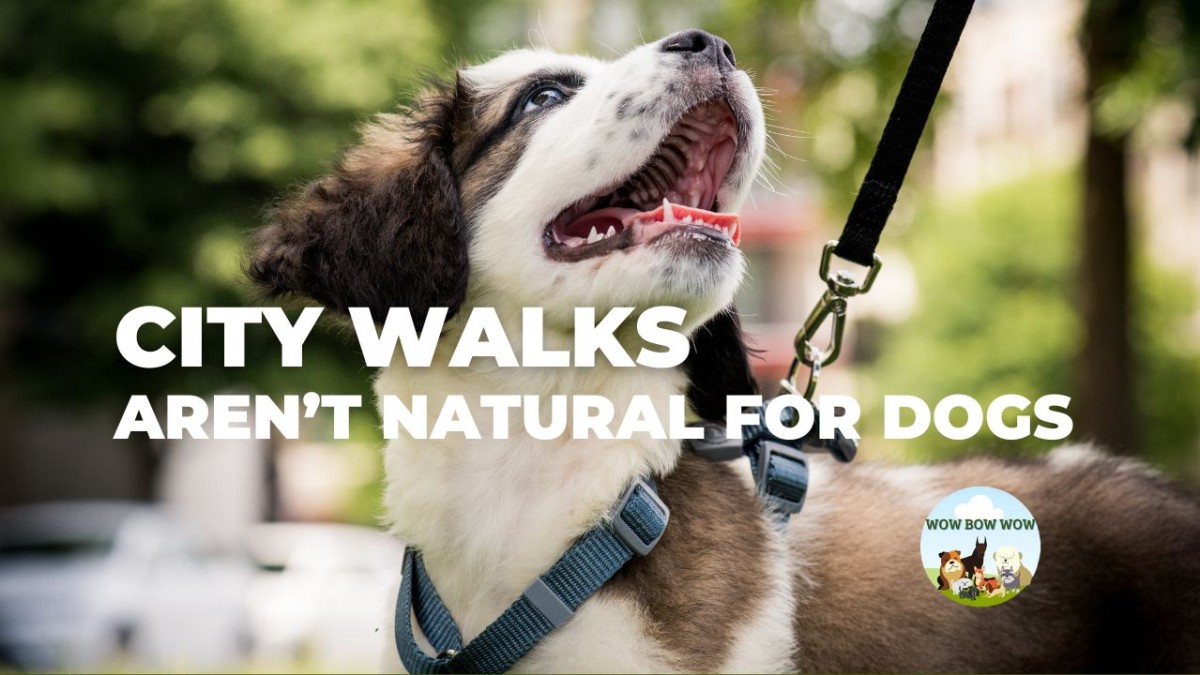
Dog leash walking in the city isn’t natural for dogs. Learn why sniffing and mental enrichment matter, especially in or near Costa Mesa (OC).
Dog Leash Walking in the City: Why Walks Feel Hard
If you live in or near Costa Mesa (Orange County), dog leash walking can feel especially frustrating. Between busy sidewalks, traffic noise, scooters, and frequent dog encounters, walks often turn into a constant tug-of-war.
Here’s what most people don’t realize: dog leash walking in the city is not a natural behavior for dogs. Dogs didn’t evolve to move at a human pace, on a short leash, through overstimulating environments. When we expect them to do so without support, we often see pulling on leash, zig-zagging, frequent stops, or intense sniffing that feels distracting.
Once you understand that having your dog walk only in a perfect heel position is not natural, dog walking in the city becomes calmer, more connected, and far less stressful.
Who This Blog Is For
This blog is for:
-
Dog owners in or near Costa Mesa (Orange County)
-
Dogs who pull on leash or stop constantly to sniff
-
Humans who feel rushed or frustrated on walks
-
Anyone wondering why leash walking feels harder in urban environments
If this sounds familiar, you’re not alone.
What Is the Purpose of Dog Leash Walking in the City?
The purpose of dog leash walking in the city is not just physical exercise. A successful walk provides mental enrichment on dog walks, emotional regulation, and safe exposure to the environment.
Allowing sniffing, flexible pacing, and intentional pauses helps dogs stay calmer, more engaged, and less reactive on leash.
Distance matters far less than how your dog experiences the walk.
Why Dog Leash Walking in the City Is So Challenging
Leash walking is a human-created skill, not an instinct.
In natural movement, dogs:
-
Walk at varying speeds
-
Change direction often
-
Pause frequently
-
Gather information through scent
This is why leash walking is not natural for dogs, especially in urban areas. When dogs are expected to walk continuously in a straight line at one pace, frustration builds — and that frustration often shows up as pulling on leash or checking out mentally.
Why Dogs Sniff on Walks (And Why It Matters)
When people ask why dogs sniff on walks, the answer is simple: sniffing is how dogs process their world.
Dog sniffing:
-
Lowers heart rate
-
Reduces stress
-
Builds confidence
-
Provides essential mental enrichment
A walk that includes intentional sniffing — often called a sniffari — can be more regulating than a longer walk with constant leash pressure.
Sniffing isn’t the enemy of polite walking. It’s a critical part of it.
Dog Walking in the City: Myth vs Reality
Myth: A good walk means covering a lot of ground
Reality: A good walk meets mental and emotional needs
Myth: Sniffing means your dog isn’t trained
Reality: Sniffing helps dogs self-regulate
Myth: Dogs should walk at a steady pace
Reality: Dogs naturally move in pauses and bursts
When expectations shift, leash behavior improves.
Rethinking the “Perfect” City Walk
In the city, the purpose of a dog walk should be:
✔️ Mental enrichment
✔️ Emotional regulation
✔️ Safe exposure to the environment
✔️ Connection between you and your dog
Not:
❌ Distance goals
❌ A perfect heel the entire time
❌ Constant corrections
When we shift the goal of the walk, leash walking becomes a conversation — not a battle.
What This Means for You and Your Dog
A healthy city walk often includes:
-
Moments of loose leash walking
-
Planned or organic sniff breaks
-
Adjusting your pace to your dog
-
Choosing routes that set your dog up for success
-
Letting go of the idea that walks must look a certain way
And yes — dogs can absolutely learn beautiful leash skills without suppressing who they are.
Dog Leash Walking in or Near Costa Mesa (Orange County)
Dog leash walking in the city looks different in or near Costa Mesa (Orange County) than it does in more rural areas. Busy streets, beach-adjacent paths, tight sidewalks, traffic noise, and close dog proximity can overwhelm even well-trained dogs.
These local challenges make sniffing, pacing, and decompression even more important for city dogs in Orange County.
A Trainer’s Perspective
As a professional dog trainer working with companion dogs in or near Costa Mesa (Orange County), I see this pattern daily. Many dogs labeled as “bad on leash” are simply overstimulated or under-enriched on walks.
When dogs are allowed to move naturally, sniff appropriately, and process their environment, leash behavior improves without force.
For a deeper conversation on enrichment and regulation, you can watch this live training here:
👉 https://youtube.com/live/g0XzP1YAmtI
Frequently Asked Questions About Dog Leash Walking in the City
Should I let my dog sniff on every walk?
Yes, within reason. Sniffing is a key part of mental enrichment on dog walks and helps dogs stay regulated.
How long should a city dog walk be?
Quality matters more than duration. A shorter sniffari can be more beneficial than a long, rushed walk.
Is pulling on leash a training issue or an emotional one?
Often emotional. Pulling is commonly a sign of frustration or overstimulation, not stubbornness.
Is leash walking harder for dogs in or near Costa Mesa (Orange County)?
Yes. Urban OC environments include more stimulation, tighter spaces, and frequent dog encounters, which can make leash walking more challenging.
Can dogs still learn polite leash walking?
Absolutely — when leash skills are taught alongside natural behaviors, not instead of them.
If Dog Leash Walking in the City Feels Stressful, There’s Help
If dog leash walking in the city feels exhausting — especially in or near Costa Mesa (Orange County) — you’re not failing, and your dog isn’t difficult.
You may just need a plan that works with your dog’s biology instead of against it.
📞 Call or text me at 714-794-9625
Serving dog owners in or near Costa Mesa (Orange County) with practical leash walking support for both dogs and their humans.
Because a walk isn’t just about moving forward —
it’s about understanding the world, one scent at a time. 🐾