Why Your Dog Still Pulls — Even After Watching All the Videos
 Linda Kwoun
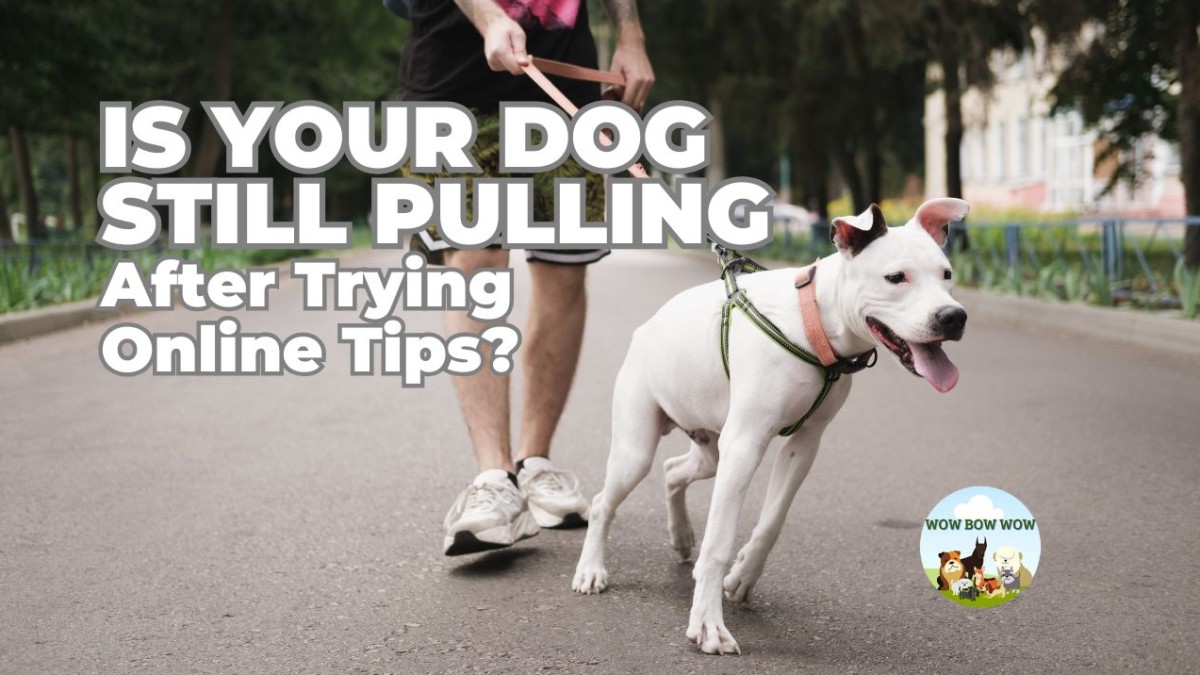
Tried online leash training tips but your dog still pulls? Discover why process, sequence and personalization matter.
Why Does My Dog Still Pull on the Leash After Trying Online Tips?
A potential client told me recently:
“I tried a tip I found on Google for leash pulling… but it didn’t work.”
She didn’t say it with anger.
She said it with the kind of quiet discouragement I hear often — like she had really tried and just couldn’t figure out why it wasn’t clicking.
Here’s what I told her:
That tip?
It’s not a bad suggestion.
But in my leash walking process, that’s not where I start.
And I may — or may not — use that strategy later.
It depends.
It depends on what I see in the dog.
It depends on what I see in the human.
It depends on what I believe is the next best step for their particular situation.
And that right there is the difference between tips… and training.
Google, YouTube, and ChatGPT Give You Information. A Coach Gives You Strategy.
The internet is full of leash pulling advice:
-
Stop when your dog pulls.
-
Turn around every time they forge ahead.
-
Use a front-clip harness.
-
Reward eye contact.
-
Change direction randomly.
-
Be “more consistent.”
You can search Google.
You can watch YouTube demonstrations.
You can even ask ChatGPT for step-by-step ideas.
None of those are inherently wrong.
But none of them can observe your dog in real time.
They don’t know:
-
Your dog’s arousal level
-
Your dog’s confidence
-
Your environment
-
Your timing
-
Your leash handling
-
Your history together
Because dog training is not a recipe.
It’s a process.
And the order of the steps matters more than most people realize.
Why Process, Order of Sequence and Personalization Matter in Leash Training
If I see a dog who:
-
Is overstimulated the second they step outside
-
Has no focus indoors
-
Is scanning constantly for distractions
-
Is unsure or tense
-
Or is simply bursting with adolescent energy
I’m not starting with “stop every time they pull.”
That might be step three.
Or step five.
Or not needed at all.
And if I see a human who:
-
Is gripping the leash tightly
-
Is bracing before the walk even begins
-
Is anticipating the pulling
-
Is unsure what to reinforce
-
Or is slightly off in timing
That changes the plan too.
Because leash pulling isn’t just about the leash.
It’s about nervous systems.
Clarity.
Reinforcement history.
Expectations.
Emotional regulation — on both ends of the leash.
You’re Not Failing. You’re Missing Sequencing and Specific Guidance.
When a tip doesn’t work, most people assume:
-
“My dog is stubborn.”
-
“I must be doing it wrong.”
-
“This method doesn’t work.”
But often the real issue is this:
You’re applying step four when step one hasn’t been built yet.
Or you’re applying a strategy that works beautifully — just not for your dog’s current stage.
Training works best when it addresses:
-
Your dog’s temperament
-
Your dog’s emotional state
-
Your environment
-
Your consistency
-
Your learning style
The right trainer doesn’t just give you a method.
They observe.
They adjust.
They personalize.
And that personalization is what makes it stick.
This Is About the Next 10–15 Years
Most dogs will be in your life for over a decade.
Ten to fifteen years of:
-
Daily walks
-
Guests arriving at your door
-
Vet visits
-
Vacations
-
Neighborhood distractions
-
Everyday shared moments
The patterns you build now ripple forward.
That’s why the right trainer isn’t just an expense.
It’s an investment.
Not just in obedience.
In ease.
In confidence.
In clarity.
In partnership.
In walks that feel calm instead of exhausting.
Frequently Asked Questions About Leash Pulling and Hiring a Dog Trainer
Why is my dog still pulling on the leash after trying online tips?
If your dog is still pulling after trying online advice, the issue is usually not the tip itself — it’s the sequence and personalization. Many leash training strategies only work after foundation skills like engagement, responsiveness, and emotional regulation are in place. Without those foundations, the tip won’t stick.
Do online dog training tips work for leash pulling?
Online tips can work — when they’re applied at the right stage and tailored to the specific dog. What works for one dog may not be the correct next step for another. Without a structured progression and individual adjustment, advice often feels inconsistent or ineffective.
What is the best first step to stop a dog from pulling on the leash?
The best first step is building engagement in a low-distraction environment before expecting success outdoors. If your dog cannot focus inside or in the backyard, expecting loose leash walking on a busy street is unrealistic. Training should move from simple to complex — and be adjusted to your dog’s emotional state.
When should I hire a dog trainer for leash pulling?
Consider hiring a trainer if:
-
You’ve tried multiple strategies without consistent progress
-
Walks feel stressful instead of enjoyable
-
Your dog becomes overstimulated quickly
-
You’re unsure what to focus on next
-
The pulling is affecting your relationship
A trainer provides structure, sequencing, and personalized feedback that can dramatically shorten the learning curve.
Is hiring a dog trainer worth the investment?
For many families, yes.
Dogs live with us for 10–15 years. If leash pulling continues for years, it affects daily life — not just walks.
The right trainer doesn’t just address one behavior.
They create a roadmap tailored to your dog and your life.
That clarity can prevent years of frustration and repeated trial-and-error.
Final Thought
If you’ve already:
-
Watched the videos
-
Tried the tips
-
Read the blogs
-
Felt like it worked for a week and then fell apart
You don’t need another random suggestion.
You need a plan.
One that adjusts to your dog.
One that adjusts to you.
One that builds in the right order.
Because the right support now can completely change what the next 10–15 years feel like with your dog.
And that’s not dramatic.
That’s real.
Not Sure What the Right Next Step Is? Let’s Talk.
If you’re wondering:
-
“Is this something I can fix in a group class?”
-
“Do I need private support?”
-
“Is my dog just excited… or overwhelmed?”
-
“What should we actually start with?”
You don’t have to guess.
Call me.
I can help you figure out what the best next step is for you and your dog — whether that’s a group class, private training, or something else entirely.
Sometimes one conversation can save you months of trial and error.
Because leash pulling isn’t just about the walk.
It’s about your daily life together.
📞 Call or text me at 714-794-9625 and let’s figure out the right starting point for your dog.